Why We Call It a Projected Spending Plan
The word budget often feels restrictive.
In business, a budget can sound like a fixed limit someone is expected to hit—or simply a target.
That is not how we believe the financial planning for a custom home should work.
At Merle, we use the term Projected Spending Plan because this is your money. Our job is to help you understand how your choices affect the projected cost and guide your investment to create the home you value most.
More Than a Budget
A custom home does not begin as a finished product with a fixed price. It develops through decisions about the homesite, architecture, size, materials, mechanical systems and interior finishes.
Each decision affects the total projected cost. The spending plan brings those decisions together so you can see where your money is going before construction begins.
Your Priorities Guide the Plan
Two clients may invest the same amount and make very different choices. One may prioritize a larger gathering space and expansive windows. Another may choose a smaller footprint with higher-end finishes and building systems.
Neither choice is wrong. The right plan is the one that reflects how you want to live and what matters most to you.
Our role is to explain the options, show you the financial impact and help you decide where spending more creates value—and where a different choice may serve you just as well.
A Plan That Becomes More Specific
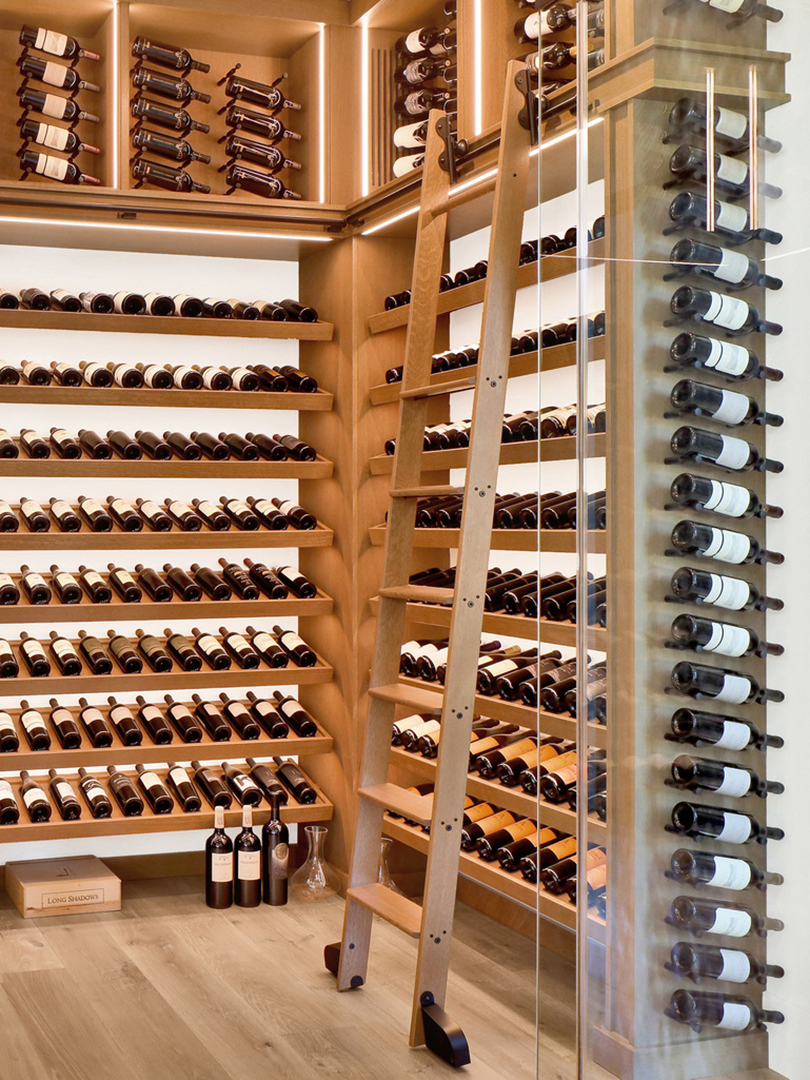
The Projected Spending Plan develops with the home. Early cost projections become more specific as the design advances, selections are made, engineering is completed and subcontractor and material pricing is received.
Rather than treating numbers as final too early, we give you the clearest information available at each stage so you can make confident decisions and mitigate unnecessary surprises.
Consider the Cost of Ownership
The lowest construction cost does not always create the best long-term value. A spending plan should consider not only what the home costs to build, but what it may cost to own, operate and maintain.
This may mean investing more in areas that are difficult or expensive to improve later. Higher insulation levels and a carefully built exterior envelope can improve comfort, reduce energy use and help the home perform better in a mountain climate. Efficient mechanical systems can also reduce operating costs over time.
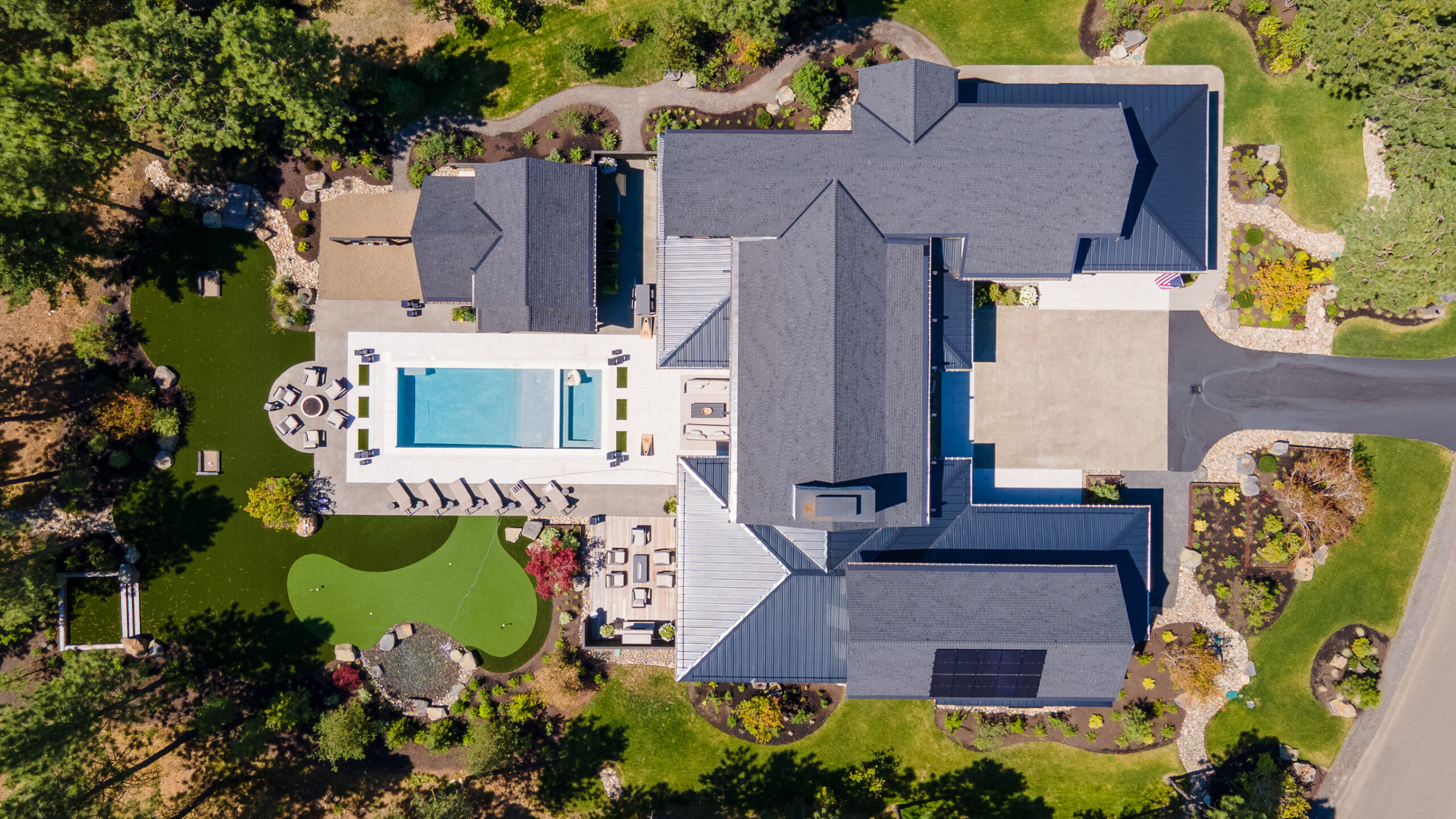
Durable exterior materials, quality roofing, dependable windows and low-maintenance finishes may cost more initially, but they can reduce future repairs, replacement and upkeep.
We help you weigh initial cost against long-term value. Sometimes investing more upfront makes sense. In other cases, a simpler solution delivers the performance and value you need. We explain the tradeoffs so you can make an intentional choice.
The Merle Way
Your priorities shape the spending plan. We bring the experience, information and guidance to help you understand your options and direct your investment where it matters most to you.
It is your money. Our job is to give you the clarity and expertise to spend it with confidence.